Protecting Pastors from WhatsApp Hacking: Prevention and Recovery
This blog post offers practical steps to prevent your WhatsApp from being hacked and a guide to recovering your account if compromised
Messaging platforms like WhatsApp have become essential tools for communication, especially for pastors and church leaders who stay connected with their congregation.
Unfortunately, scammers are increasingly targeting pastors by hacking their WhatsApp accounts and using them to solicit money fraudulently.
This blog post offers practical steps to prevent your WhatsApp account from being hacked, advice on recognizing scams, and a guide to recovering your account if it’s compromised.
How WhatsApp Hacks Happen
Scammers usually gain access to WhatsApp accounts through:
- Social Engineering: They pose as a trusted contact or organization and trick users into sharing their six-digit WhatsApp verification code.
- SIM Swap Fraud: By obtaining your personal details, scammers can impersonate you and convince your mobile service provider to transfer your phone number to a new SIM card under their control
- Phishing Links: Clicking on fraudulent links can expose your account credentials to attackers.
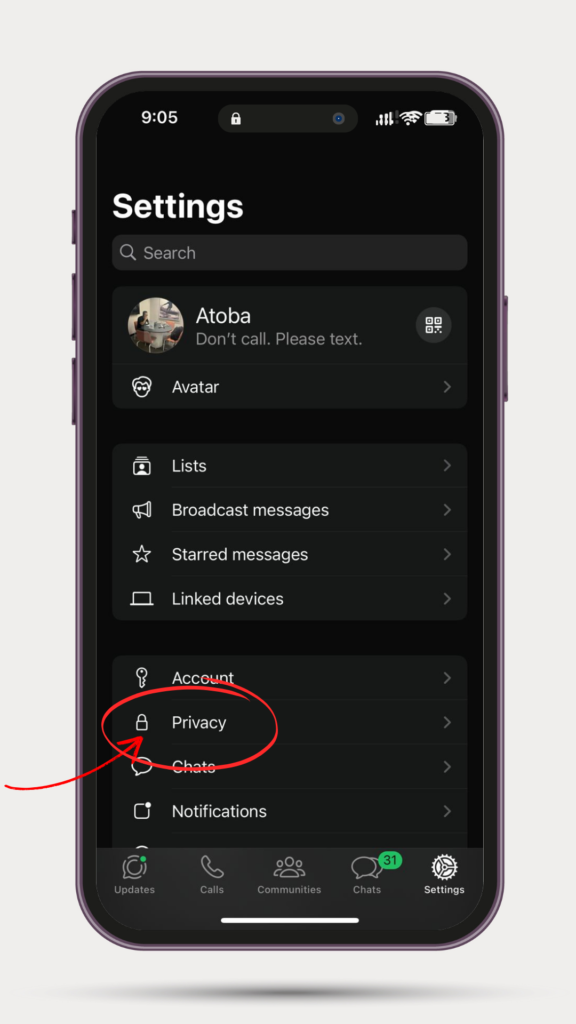
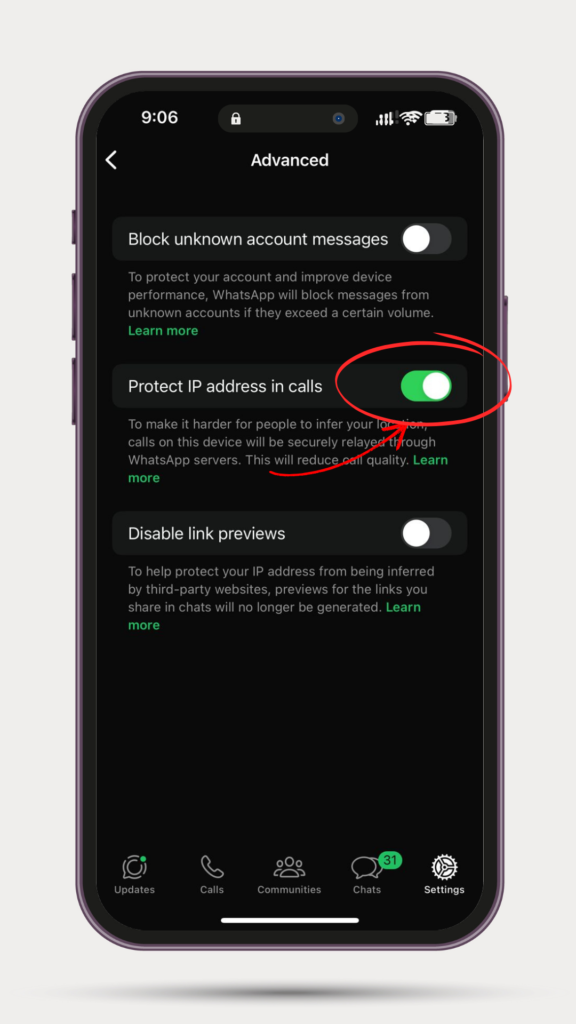
Steps to Prevent WhatsApp Hacks
1. Enable Two-Step Verification
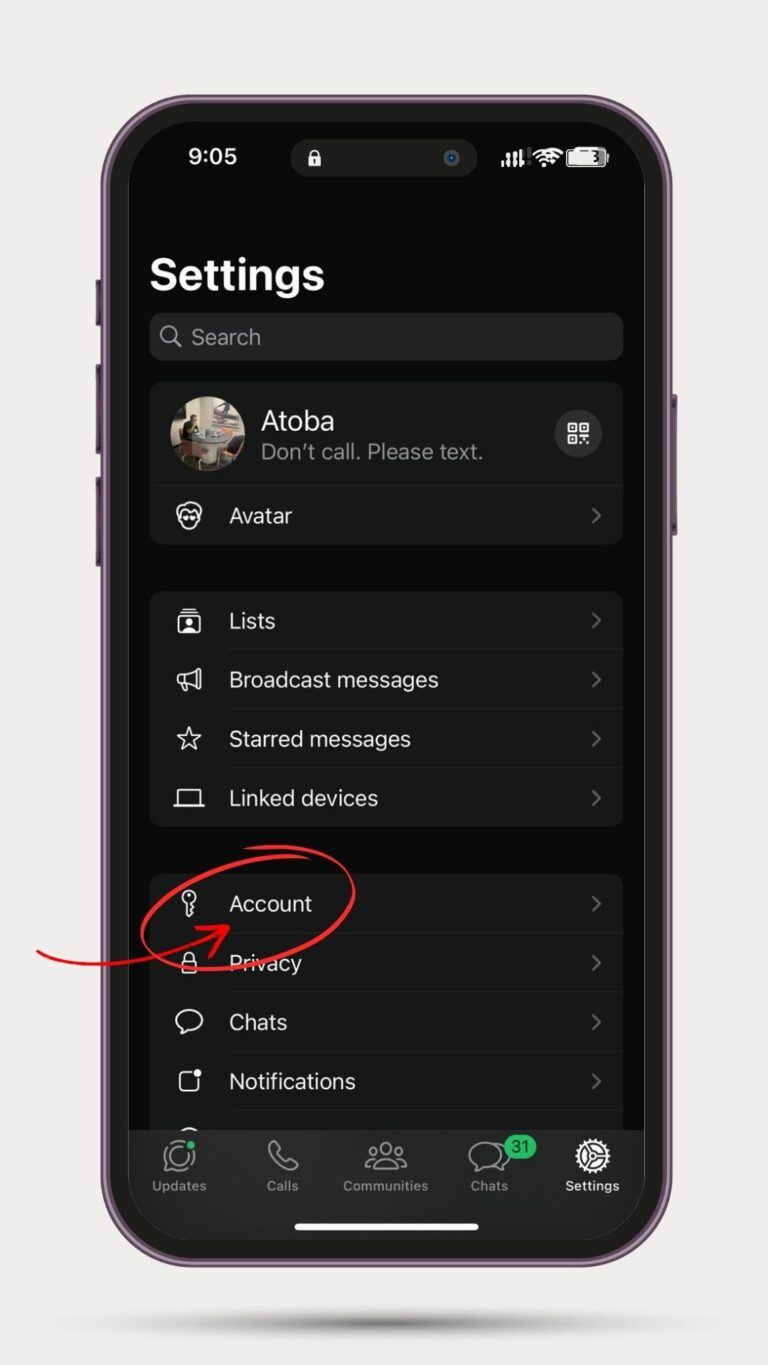
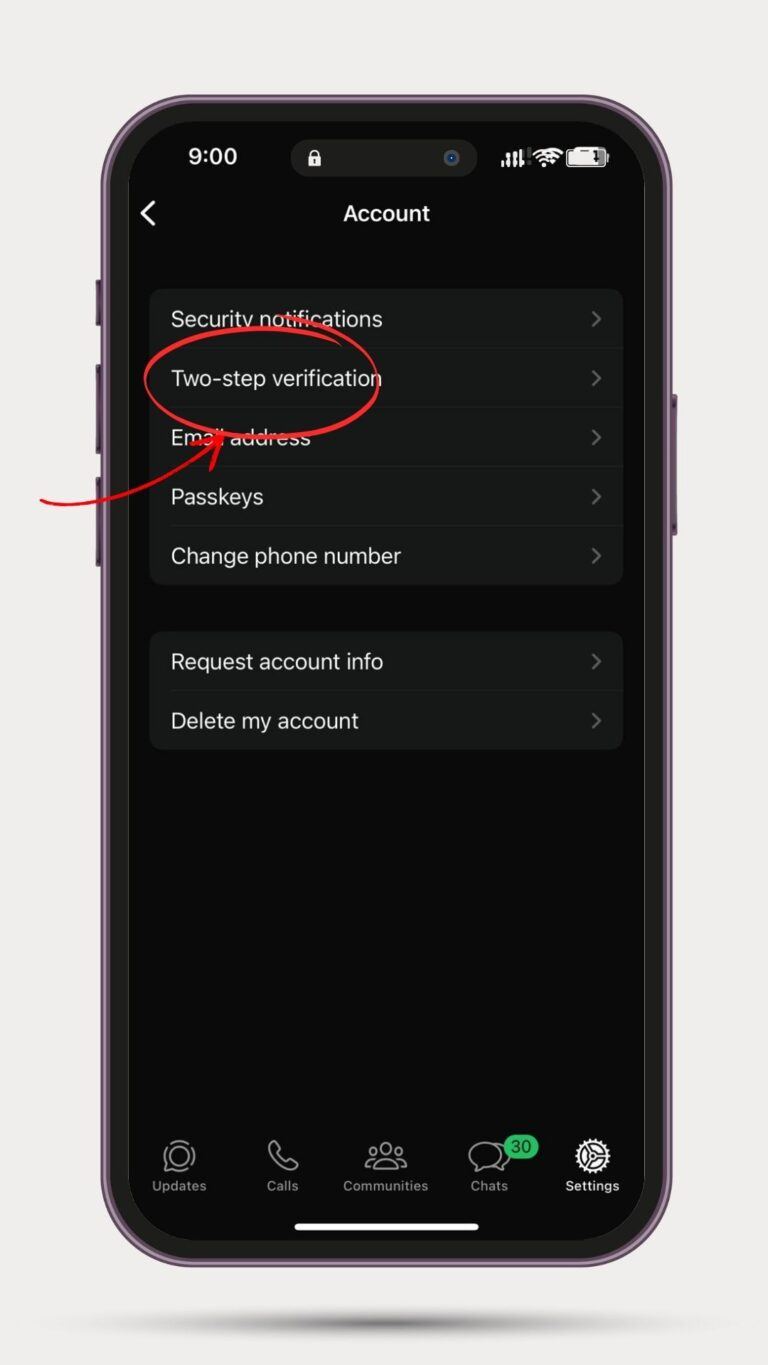
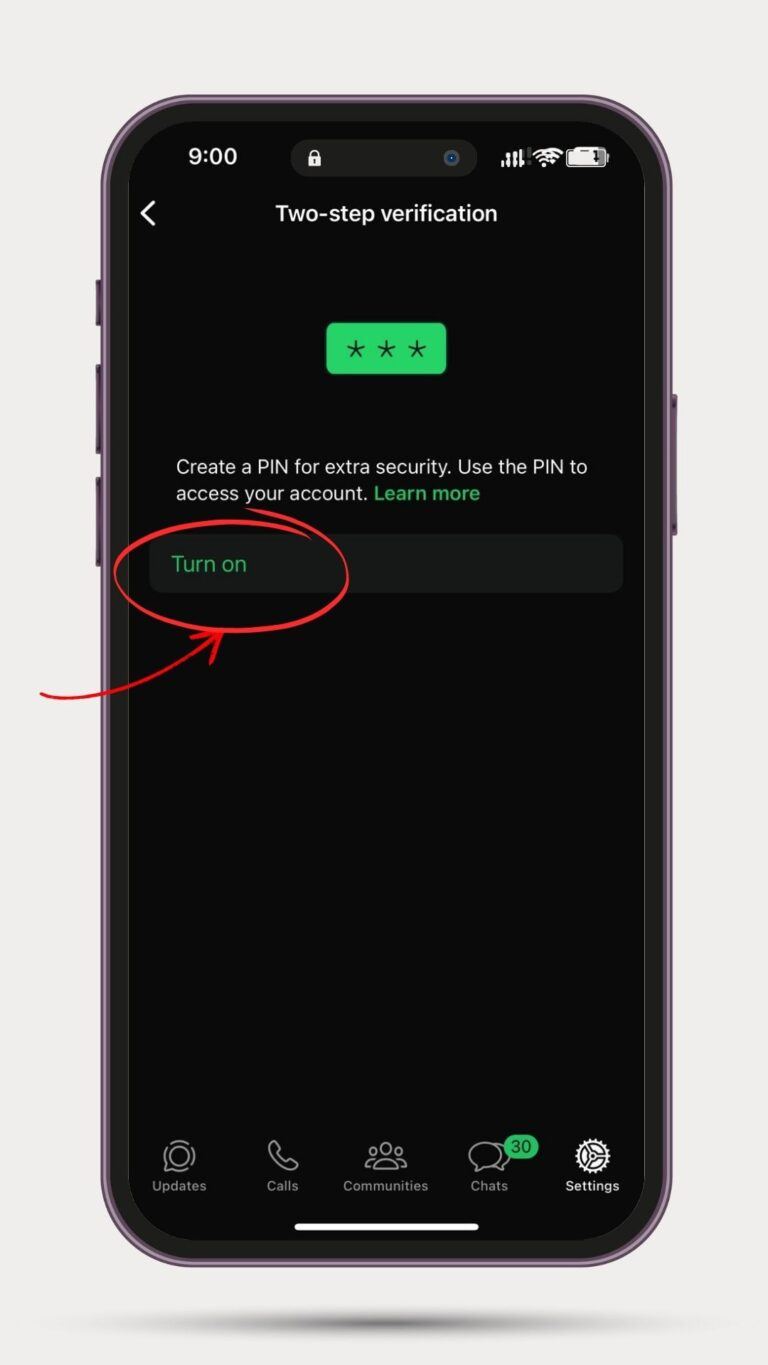
- Go to Settings > Account > Two-Step Verification and set up a PIN.
- This adds an extra layer of security even if someone gains access to your verification code.
3. Avoid Sharing Verification Codes
WhatsApp will never ask for your six-digit verification code. Do not share it with anyone, even if they claim to be from WhatsApp or a trusted contact.
4. Be Wary of Suspicious Links
Avoid clicking on unknown links, especially if they are sent by someone asking for money or urgent help.
5. Educate Your Congregation
Inform your church members to verify requests for financial help, even if the message appears to come from you.
Signs Your WhatsApp Has Been Hacked
- You are logged out of your WhatsApp account unexpectedly.
- Your contacts receive strange messages or requests for money.
- WhatsApp notifies you of changes to your account settings that you didn’t initiate.
How to Recover a Hacked WhatsApp Account
1. Log Back into Your Account
- Open WhatsApp, enter your phone number, and request a new verification code.
- This will log out the hacker.
Email WhatsApp at support@whatsapp.com with the subject line “Lost/Stolen Account.” Include details about your situation.
3. Disable WhatsApp on Your SIM
Contact your mobile provider to deactivate your current SIM and issue a new one to prevent further misuse.
Notify your congregation and contacts about the hack so they don’t fall for scams.
5. Enable Two-Step Verification
Once recovered, immediately activate two-step verification to secure your account.
Best Practices to Stay Safe Online
- Always verify unexpected requests for money with a call.
- Use strong, unique passwords for email and mobile accounts linked to WhatsApp.
- Consider setting up email notifications for login attempts or changes to connected accounts.
- Encourage your church community to report suspicious activity on WhatsApp.
By taking these preventive measures and acting swiftly in the event of a hack, pastors and church leaders can safeguard their digital presence and maintain trust within their congregation.
star
14-Day Free Trial
auto_awesome
Launch your church into the future
Everything your ministry needs — giving, events, members, and more. Try it free, no credit card required.
Start Free Trial
No credit card • Cancel anytime